The creation of jewelry is a fusion of creativity and precision, converting a mere thought into a functional work of art that can be worn. Regardless of the final product, it all originates as a notion, developed through creative thought, honed through preparation, and realized through craftsmanship. By understanding the design journey in stages, both novice and veteran artists can fashion more purposeful, high-quality, and compelling designs.
Each phase of the design journey from initial inspiration to the final polishing affects the aesthetics, useability and visual appeal of the finished product. The designer gains insight and authority in their designs once they have the capability to perform the design procedure.
Brainstorming a Idea and Establishing your Vision
Each and every piece of jewelry has a concept. You may get it from anything, including natural objects, buildings, clothing, cultural motifs, or events. The trick is looking for characteristics, patterns, hues, and forms, and imagining their translation to jewelry designs.
When an inspiration has been discovered, the second step is to create a clear idea. What message would the design project to the world? Is it flashy and futuristic, soft and minimal, or complicated and classic? It is much simpler to come up with a good idea that will influence your thinking when the process is still in early stages.
It is possible to clarify your thoughts as well as be consistent in your design by making use of a vision board or by gathering other visual material.
Sketching Your Designs
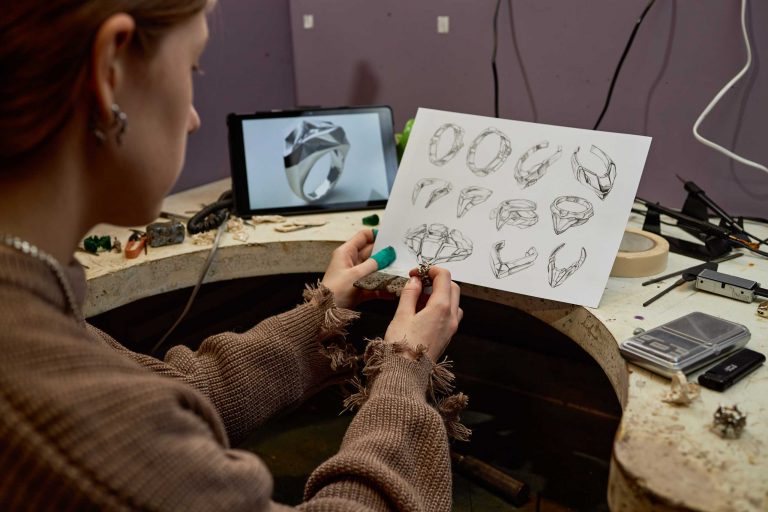
Sketches make it easier to transform the concept into a physical form. You don’t need to have the ability to draw well to do this; simple drawings and comments are all that are required to capture your idea.
Begin by drawing several iterations of your concept. In terms of the design, experiment with the size and form of the parts and other elements such as beads or metals. This stage makes it possible to discover options without making a commitment to one design.
On the sketches, make a note of the metals, dimensions as well as the processes that you want to use. It serves as a manual for the production process and prevents any difficulties later on.
Preparation for Tools and Materials
Once a choice has been made regarding the last product, it is the time to organize the metals and materials needed to bring it to life. What sort of metals, stones as well as the other elements do you want to use?
The different metals used are characterized by various factors on how to construct, connect, and make the finishing of a product. Soft metals are easily shaped, but hard metals have the capability to withstand pressure. For gemstones, the type of setting also varies depending on the type of gemstone.
The methods which you want to use in production, including coiling, welding, casting and mounting should be settled at this point. It makes sure that the design is appealing, strong and easy to produce.
Building a Sketch or Model
Prior to working with expensive material a lot of designers create a prototype. It may be with the use of cheap metal, wax, or other paper material. It can catch potential flaws in the design, such as poor connections or unreasonable size constraints. Making design changes at this stage is much less labor-intensive than correcting errors post-fabrication; this process is what separates mediocre results from exceptional designs.
Fabrication and Assembly
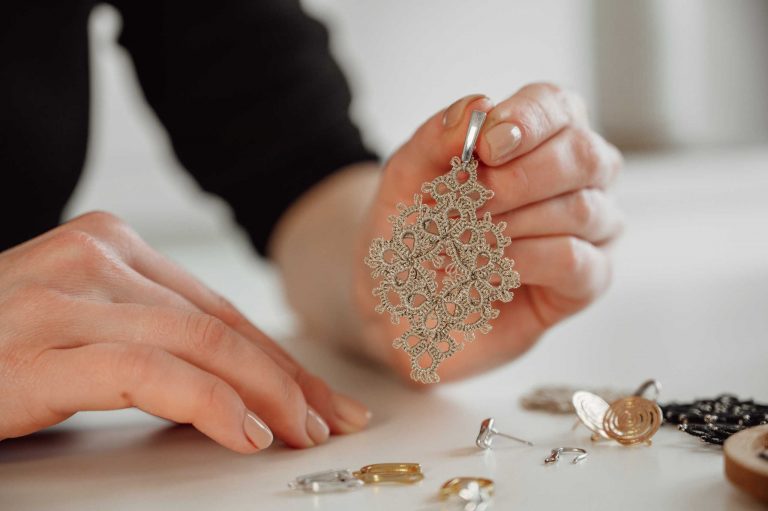
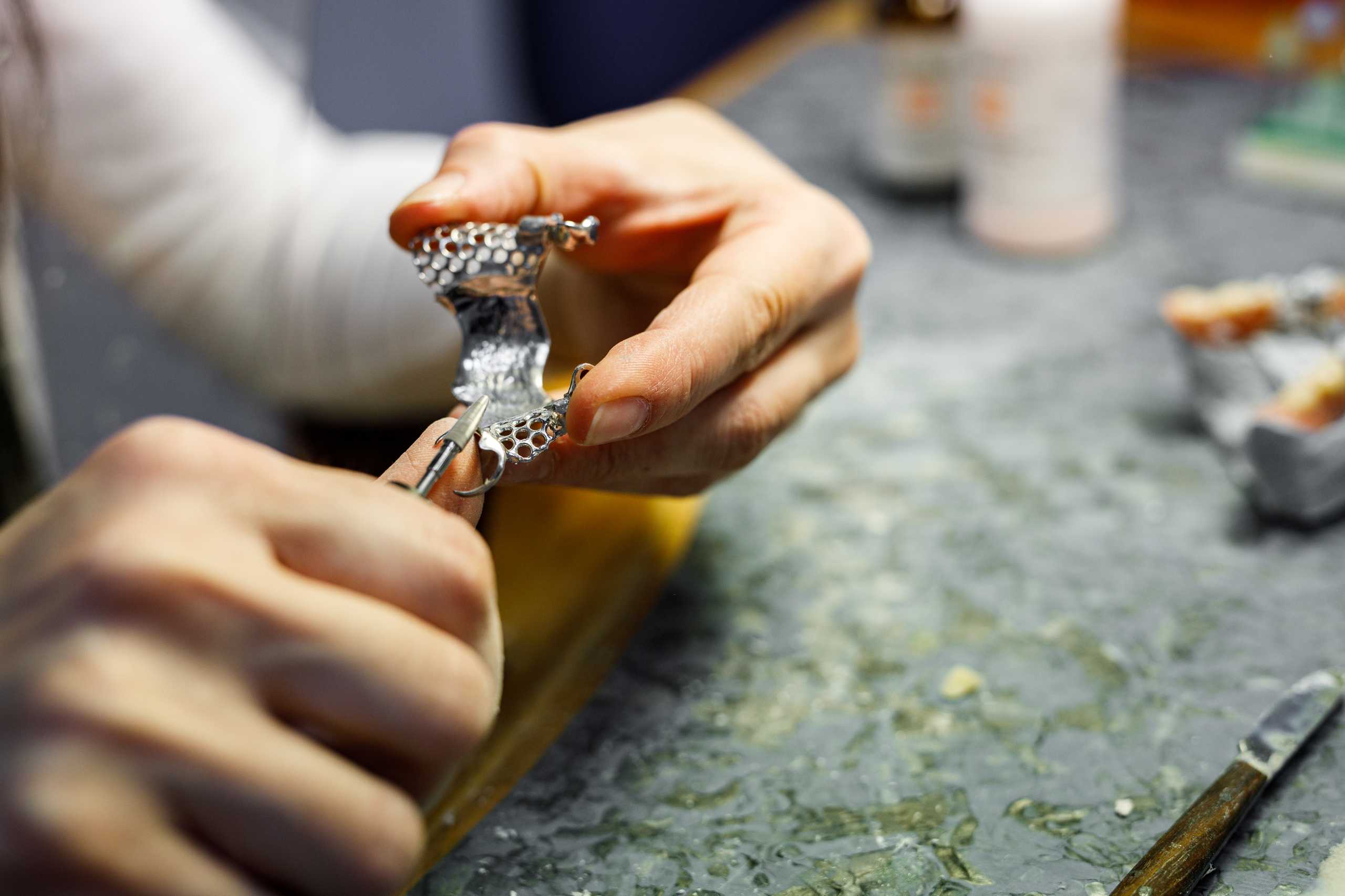
Now, you take your design from a virtual to a physical object. This step involves cutting, bending, and joining components to realize your design. Start by cutting your materials to size and shape, ensuring everything aligns with your specifications. You may use a range of fabrication techniques, such as forming or soldering, to prepare individual components or the entire piece. Every detail must be precise, as inaccuracies in size or form can ruin the piece’s appearance. During the final assembly, put all of the components together. Attachments such as finding chains, clasps, and hooks must be placed and fitted in precisely so they are both functional and aesthetically pleasing.
Stone Setting and Detailing
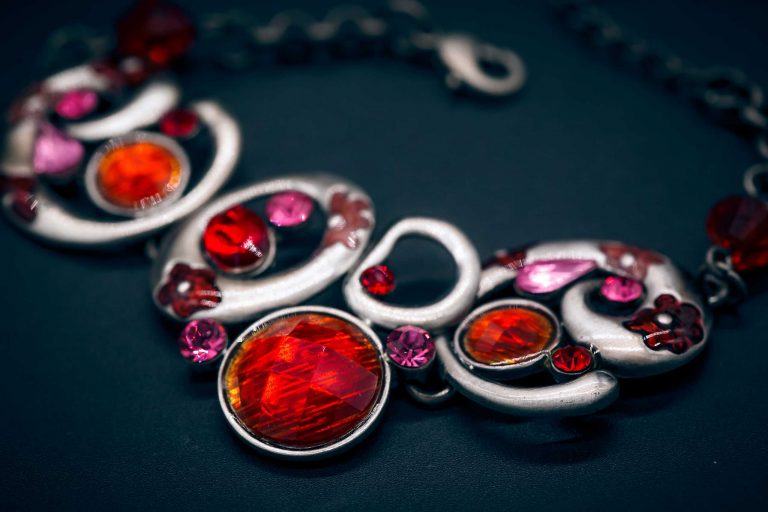
If the design features any stones, setting is required. This involves holding the stones securely in place. Stone setting has several methods, including prong, bezel, channel, and tension. Each of these has unique attributes in terms of both appearance and security, so the method you choose should accommodate the type of gem and the design of the piece. You may also include additional details such as etching, texturing, or embellishment in the design. These details will add depth to the piece and set it apart as a one-of-a-kind work of art.
Finishing and Polishing
This final step will make your piece complete. It includes smoothing out the metal, burnishing the stone edges, and applying your desired finish. Your goal is to give it that flawless and lustrous look that it is famous for. This process involves buffing and polishing the piece to remove any imperfections, creating a uniform surface. Finish the piece with either a high-gloss polish or a satin-matte texture, or perhaps a mix of these. The final step in jewelry making requires you to ensure your piece is completely free of debris and polish it to achieve its final shine.
Evaluating the Final Piece
Once your piece is finished, evaluate it critically. Make sure the design is cohesive, the piece is wearable, and it is well-constructed. Confirm that all components have been assembled securely and that it is working as you intended. It is important to look at your final product with the perspective you began with, to evaluate how the design translated. This will help you understand the process and identify where further work is needed for future designs.
Continuous Improvement and Creative Growth
Jewelry making, like other art forms, is a craft that improves with practice. Every design you create will teach you something new about metal types and techniques, allowing you to become an increasingly more skilled jeweler. Remember: each piece is a chance for you to further your knowledge and refine your skills. As your skill and confidence grows, you will find your own voice as an artist. The result is a design that is unique to you and is beautifully balanced between technical accuracy and aesthetic impact. Keep refining the skills you have learned, continue learning new ones, and always seek to improve on the design ideas you have. Jewelry design is a constantly evolving field, and with each creation comes a new opportunity for growth.